Medical bandages are indispensable tools in the field of healthcare, playing a crucial role in wound care, immobilization, and support. As a leading supplier of medical bandages, I have witnessed firsthand the diverse range of shapes these essential products come in, each designed to meet specific medical needs. In this blog post, I will explore the different shapes of medical bandages, their unique features, and the situations in which they are most effectively used. Medical Bandages
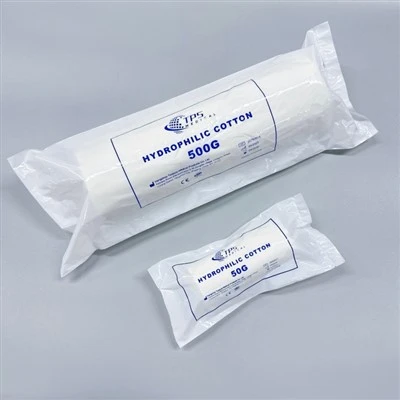
Rectangular Bandages
Rectangular bandages are perhaps the most common shape of medical bandages. They are versatile and can be used in a variety of applications, from covering small cuts and abrasions to larger wounds. The rectangular shape allows for easy wrapping around different body parts, such as fingers, wrists, ankles, and elbows.
One of the key advantages of rectangular bandages is their simplicity. They are easy to apply and can be secured in place with tape or adhesive strips. This makes them ideal for use in first aid situations, where quick and efficient wound care is essential. Additionally, rectangular bandages can be cut to the appropriate size, allowing for a customized fit.
Rectangular bandages are available in different sizes and materials. Some are made of cotton, which is soft and breathable, making it suitable for sensitive skin. Others are made of synthetic materials, such as polyester or nylon, which offer better durability and water resistance. Depending on the intended use, rectangular bandages may also be impregnated with antiseptic or other medications to promote wound healing.
When applying a rectangular bandage, it is important to ensure that it is not too tight, as this can restrict blood flow and cause discomfort. On the other hand, if the bandage is too loose, it may not provide adequate support or protection. It is also important to change the bandage regularly to prevent infection.
Triangular Bandages
Triangular bandages are another common shape of medical bandages. They are typically made of a large piece of fabric that is folded into a triangle. Triangular bandages are extremely versatile and can be used for a wide range of purposes, including as a sling for a broken arm, as a tourniquet in case of severe bleeding, or as a dressing for large wounds.
One of the unique features of triangular bandages is their ability to be used in multiple configurations. They can be folded into different shapes, such as a cravat or a broad arm sling, depending on the specific needs of the patient. This makes them a valuable tool in emergency situations, where improvisation may be necessary.
Triangular bandages are also easy to carry and store. They can be folded into a compact size and kept in a first aid kit or emergency bag. In addition, they can be easily washed and reused, making them a cost-effective option.
When using a triangular bandage as a sling, it is important to ensure that the arm is properly supported and the sling is secure. This can help to reduce pain and prevent further injury. When using a triangular bandage as a tourniquet, it should only be used as a last resort and with extreme caution, as improper use can cause serious damage to the limb.
Circular Bandages
Circular bandages, as the name suggests, are circular in shape. They are commonly used for wrapping around cylindrical body parts, such as the head, chest, or thigh. Circular bandages are designed to provide continuous support and compression, which can help to reduce swelling and promote healing.
One of the main advantages of circular bandages is their uniform pressure distribution. Unlike rectangular or triangular bandages, which may have uneven pressure points, circular bandages apply consistent pressure around the entire circumference of the body part. This makes them particularly effective for treating sprains, strains, and other soft tissue injuries.
Circular bandages are usually made of elastic materials, such as latex or spandex, which allow for stretch and flexibility. This ensures a snug fit without restricting movement. Some circular bandages also have a self-adhesive backing, which makes them easy to apply and remove.
When applying a circular bandage, it is important to start at the distal end of the limb and work your way up towards the body. This helps to prevent blood pooling and swelling. It is also important to overlap each layer of the bandage slightly to ensure continuous coverage.
Tubular Bandages
Tubular bandages are a type of bandage that is shaped like a tube. They are typically used for covering and protecting body parts that are difficult to bandage with traditional rectangular or triangular bandages, such as fingers, toes, and the head. Tubular bandages are made of a stretchy, knitted material that conforms to the shape of the body part, providing a secure and comfortable fit.
One of the key benefits of tubular bandages is their ease of use. They can be easily slipped onto the body part without the need for any tying or fastening. This makes them ideal for use on patients who may have limited mobility or dexterity. Tubular bandages also provide a smooth and even surface, which can help to prevent irritation and friction.
Tubular bandages are available in different sizes and diameters to fit different body parts. They can also be cut to the appropriate length, allowing for a customized fit. Some tubular bandages are designed to be self-gripping, which eliminates the need for additional adhesive strips or tape.
When using a tubular bandage, it is important to ensure that it is not too tight, as this can cause discomfort and circulation problems. It is also important to check the bandage regularly to ensure that it remains in place and is not causing any irritation.
Elastic Bandages
Elastic bandages are a type of bandage that is made of elastic materials, such as latex or spandex. They are designed to stretch and conform to the shape of the body part, providing support and compression. Elastic bandages are commonly used for treating sprains, strains, and other soft tissue injuries, as well as for immobilizing joints and reducing swelling.
One of the main advantages of elastic bandages is their ability to provide adjustable support. The level of compression can be adjusted by how tightly the bandage is wrapped, allowing for a customized fit. This makes them suitable for a wide range of patients and injuries.
Elastic bandages are available in different widths and lengths, depending on the intended use. They can be wrapped around the body part in a variety of ways, such as spiraling, figure-eight, or crisscross patterns. This versatility allows for different types of support and compression to be applied, depending on the specific needs of the patient.
When applying an elastic bandage, it is important to start at the distal end of the limb and work your way up towards the body. This helps to prevent blood pooling and swelling. It is also important to ensure that the bandage is not too tight, as this can restrict blood flow and cause discomfort.
Other Shapes
In addition to the more common shapes of medical bandages, there are also some specialized shapes that are designed for specific applications. For example, donut-shaped bandages are used to relieve pressure around a wound, such as a pressure ulcer. These bandages have a hole in the center, which allows the wound to be exposed while providing support and protection to the surrounding area.
Another specialized shape is the eye pad, which is designed to cover and protect the eye. Eye pads are often used after eye surgery or to treat eye injuries. They are typically made of a soft, absorbent material that conforms to the shape of the eye and provides cushioning and protection.
There are also finger cots, which are small, tubular bandages that are designed to fit over a finger. Finger cots are commonly used to protect blisters, cuts, or other injuries on the fingers. They are made of a thin, flexible material that allows for movement while providing a barrier against infection.
Conclusion

As a medical bandages supplier, I understand the importance of providing a wide range of shapes and types of bandages to meet the diverse needs of our customers. Each shape of medical bandage has its own unique features and advantages, and is designed to be used in specific situations. Whether it’s a rectangular bandage for a small cut, a triangular bandage for a broken arm, or an elastic bandage for a sprained ankle, choosing the right shape of bandage is crucial for effective wound care and treatment.
Medical Bandages If you are in the market for high-quality medical bandages, I encourage you to contact us. Our team of experts can help you select the right bandages for your specific needs and provide you with the best possible service. We are committed to providing our customers with the highest quality products at competitive prices, and we look forward to the opportunity to work with you.
References
- American Academy of Orthopaedic Surgeons. (2022). Bandaging Techniques. Available from the American Academy of Orthopaedic Surgeons website.
- National Health Service. (2022). First Aid: Bandages. Available from the National Health Service website.
- World Health Organization. (2021). First Aid Training Manual. World Health Organization.
Hangzhou Tuopusi Medical Products Co., Ltd.
As one of the most professional medical bandages manufacturers and suppliers in China, we offer a wide range of products with superior quality. Please feel free to wholesale bulk customized medical bandages at competitive price from our factory. Also, free sample is available.
Address:
E-mail: sales@tpsmedic.com
WebSite: https://www.medressing.com/
