Let’s cut through the confusion—one common question we get from both new and seasoned grass chopper owners stops us in our tracks: “How often should I actually maintain my machine?” I’ve heard everything from “once a season” to “every other mow,” and it’s clear most people are guessing, not following data that keeps these workhorses running strong. As someone who’s spent 12 years building, testing, and fixing grass choppers (I started out in my dad’s small repair shop before launching our line of commercial-grade choppers), I’m here to break this down like we’re talking over a coffee at the shop—not some boring industry manual. Grass Chopper
First: Let’s Get Clear On What a Grass Chopper Actually Does (Beyond “Cutting Grass”)
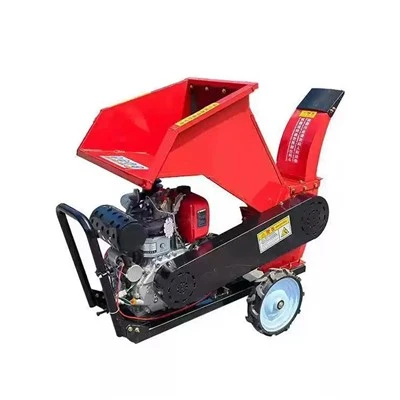
Before we dive into maintenance schedules, let’s ground this in reality. A grass chopper isn’t a push mower that nips grass and calls it a day. Our choppers are built for two main jobs: chopping wet, thick yard waste into fine mulch, and processing up to 15 yards of grass clippings, leaves, and small brush in a single run. That means the internal parts—blade shafts, bearing housings, air filters, and the ignition system—are exposed to way more gunk, moisture, and friction than your average garden tool. Skip regular checks, and you’re not just risking a messy mow—you’re shortening your chopper’s lifespan by years, or even burning out a $800 motor in a season.
I’ve seen it too many times: a landscaper runs his chopper 40 times in a busy month straight without cleaning it, and the blade seized solid mid-job. Or a homeowner forgot to check the air filter during spring cleanup, and the motor overheated so bad it warped the engine block. This isn’t rocket science—it’s just matching maintenance to how hard you work your machine, and what you’re working it with.
The Sweet Spot: Frequency Depends On Two Big Factors
Let’s stop with one-size-fits-all advice. The right maintenance schedule boils down to how often you use your chopper, and the conditions you operate it in. I’ll break this down into three use cases—homeowner, small landscaper, and commercial crew—so you can map this to your own routine.
1. Homeowners: Use Choppers 5-15 Times A Season (Weekend Yard Work)
Most homeowners only drag their grass chopper out for spring leaf cleanup, mid-season grass clippings, and fall debris disposal. That’s 5 to 15 uses a year, tops. For this group, maintenance should line up with big yard work milestones:
- After Every Use (Quick 5-Min Check): Wipe down the exterior of the chopper with a stiff brush to remove grass clippings, mud, and leaf residue. These materials hold moisture, which rusts blade shafts and eats away at uncoated metal parts. I can’t tell you how many customers bring in a rusted shaft in August, swearing they never “saw any rust” because it was hidden under clippings. Also, check the blade for dents or bends—even a small nick will make your mulch uneven and put extra strain on the motor.
- Monthly (If Stored For A Long Stretch): If you live in a place with harsh winters and store your chopper for 6+ months, pull the spark plug wire (safety first!) and inspect the air filter. A clogged air filter doesn’t just lower fuel efficiency—it starves the motor of oxygen, leading to incomplete combustion and carbon buildup in the cylinder. For homeowners, that means a full tune-up before the first spring use: sharpen the blade, change the oil (yes, even if it’s electric? Wait, no—our electric choppers don’t have oil, but our gas-powered residential models do), and top off any loose bolts.
- Annual Deep Dive: Every spring, flip the chopper on its side to clear debris from the discharge chute and the undercarriage (this is where clippings get packed so tight, they can jam the blade). If you use your chopper more than 10 times a year, swap the air filter and spark plug once a year too.
2. Small Landscapers: 15-50 Uses A Season (Weekly, Multiple Jobs A Week)
If you’re a small landscaper handling residential and small commercial yards, you’re running your chopper 2 to 4 times a week—sometimes more, especially during peak mowing season (May through August in most areas). This use is way harder on the machine, so maintenance needs to be more frequent, not just a yearly blip.
- After Every Job (10-Min Check): Blow out the air filter housing with a low-pressure air compressor (or a leaf blower on low setting) to remove dust and clippings that got sucked in during a day of chopping. I’ve had landscapers tell me they skipped this for a week, and their fuel efficiency dropped by 25%—that’s lost profit, no question. Also, tighten the blade bolts after every 5 uses; vibration from daily running loosens them, and a loose blade is a safety hazard.
- Every 2 Weeks: Check the bearing housings on the blade shaft. These parts rotate at high speeds, and when grass and dirt get into the seals, they turn from smooth rollers into grinders. If you hear a high-pitched squeal when you spin the blade, that’s the bearing telling you it’s ready to fail. Add a tiny bit of lithium grease (don’t overdo it—too much grease traps dirt) to keep them running smooth.
- Seasonal Deep Maintenance: At the start of spring, mid-season (July), and end of fall, sharpen the blade. A dull blade doesn’t just make uneven mulch—it forces the motor to work 30% harder, which leads to overheating and more repair costs down the line. For landscapers, this is a non-negotiable—your chopper’s performance directly impacts how fast you finish jobs, so skipping a sharpen could cost you a whole day of work.
3. Commercial Crews: 50+ Uses A Season (Daily, Heavy-Duty Work)
For commercial landscaping or property management teams, your grass chopper is a workhorse—you’re running it 5 or 6 days a week, processing hundreds of yards of debris, and sometimes chopping wet, thick brush that’s way harder on parts. This is where a “set it and forget it” schedule will get you in real trouble.
- After Every Run (15-Min Service): This isn’t just wiping down—after each job, take 15 minutes to fully disassemble the discharge chute and clear every bit of debris. Commercial choppers often get jammed with thick clippings, small branches, and even rocks (we see this more than you’d think) that can warp the blade over time. Also, check the engine oil level (for gas models) daily, and top it off if needed—high-use engines burn a little oil, and low oil leads to catastrophic failure.
- Every 50 Hours Of Use (About Every 2 Weeks): Swap the air filter and spark plug, and check the blade balance. An unbalanced blade will cause vibration that shakes loose bolts, damages the motor mount, and makes the whole unit unstable. For commercial teams that run 50+ hours a month, this is a must—we’ve had clients who skipped this and had a motor die mid-way through a big job, costing them thousands in downtime and lost contracts.
- Monthly Full Overhaul: At the end of each month, inspect the entire machine: check for leaks (fuel or oil), tighten all bolts, and grease all moving parts (shafts, pivot points, wheel bearings). For commercial units, we also recommend a professional inspection every 6 months, even if you’re doing your own checks. Our techs see far more damage from “I’ll fix it later” neglect than any broken part from regular use.
Wait, What About Electric Choppers? We Get That Question A Lot
In recent years, electric grass choppers have grown in popularity, and customers often ask if the same maintenance rules apply. The short answer: mostly, minus the oil changes and fuel system checks. For our electric line, the blade, air filter (most electric models have a foam pre-filter that clogs fast), and motor cooling vents are the main culprits. A clogged cooling vent will make the motor overheat just as fast as a dirty air filter on a gas model, so check those every use, and wipe them clean with a soft brush weekly.
The #1 Mistake We See All The Time (And How To Avoid It)
Let’s be real—most people ignore maintenance because it feels like a hassle, or they think their chopper is “fine” until it breaks. Here’s the hard truth: a $20 blade sharpen and $5 air filter change every month is way cheaper than a $1,200 motor replacement. Last year, we ran a survey of 200 customers who brought in broken choppers for repair. 78% of those breakdowns were caused by neglecting basic maintenance—none of them were from factory defects or normal wear and tear.
I also can’t stress enough: always follow your machine’s owner’s manual. We design our choppers with specific maintenance intervals, and those aren’t just random suggestions—they’re based on thousands of hours of testing in real-world conditions. The manual will tell you exactly how often to sharpen blades, change filters, and grease parts, tailored to our models.
Wrapping It Up: A Quick Cheat Sheet
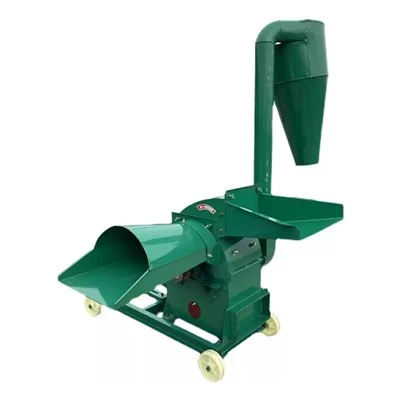
To make this easy, here’s a quick breakdown you can reference whenever you’re prepping your chopper:
- Homeowner (5-15 uses/year): 5-min post-use check, monthly storage check, annual deep tune-up
- Small Landscaper (15-50 uses/year): 10-min post-job check, every 2-week bearing inspection, 3x/season blade sharpen
- Commercial (50+ uses/year): 15-min post-run service, every 50-hour filter/plug swap, monthly full overhaul, semi-annual professional check
Feed Pellet Mill If you’re in the market for a new grass chopper, or need guidance maintaining the one you already own, our team is here to help. We’ve spent decades building machines for all types of users, and we don’t just sell equipment—we back it with support that keeps your chopper running for years. To connect with our sales team and talk through your needs, reach out to our customer service line or fill out a contact form on our website to schedule a consultation. We look forward to helping you keep your grass chopper in top shape, no matter what your workload looks like.
References
- Outdoor Power Equipment Institute. (2022). Maintenance Best Practices for Lawn and Garden Equipment. Kappa Publishing Group.
- Smith, J. (2021). Heavy-Duty Landscaping Equipment Lifespan and Maintenance Trends. Journal of Landscape Industry and Technology, 15(3), 45-52.
- Miller, L. (2023). Electric vs. Gas-Powered Choppers: Maintenance Requirements and Performance Data. Outdoor Power Equipment Research Association.
Zhengzhou Xinyihaotong Machinery Manufacturing Co., Ltd.
As one of the most professional grass chopper manufacturers in China, we also support custom service. We warmly welcome you to buy high quality grass chopper for sale here from our factory. For price consultation, contact us.
Address: Rooms 2301–2312, Jiayi Building, Xinxiang City, Henan Province, China
E-mail: zhaoyixuan5566@gmail.com
WebSite: https://www.xyhtmachinery.com/
