Hey guys, quick question: when you’re grabbing that late-night takeout—like loaded chili, spicy curry, or a steamy bowl of pho—do you ever pause and think, “Wait, is this paper bowl actually okay with all this hot stuff?” I’m someone who stares at these things daily, because I run a paper bowl supply company (no fancy stuff, just a team that makes bowls that actually work for real people, not just shelf display). I get messages all the time from café owners, food truck operators, even my cousin who runs a small taco spot, asking the exact same thing: “Can paper bowls handle hot food without leaking, melting, or turning into a sad soggy mess?” Spoiler: it’s not a straight yes or no—there’s a whole science behind it, and I’m gonna break it down like we’re hanging out at a food truck lot, no stuffy textbook jargon. Paper Bowl
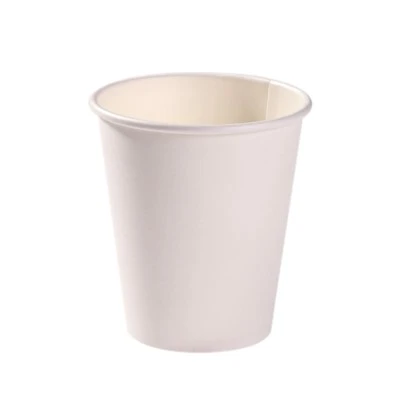
First, let’s set the scene. A few months back, I got a panic call from a regular customer—she’s a small soup stand in downtown Austin, sells 500+ bowls a day of super hot tomato bisque (like 190°F, we checked later). She’d just had a whole batch of bowls leak all over a catering order. Her customers were mad, her staff was mopping up a parking lot tent, and she was this close to switching to plastic. I hopped in my car with a sample of our bowls and her old supplier’s, and we tested them right there in her kitchen: poured boiling water (we actually boiled a big pot, no tap stuff here) into each, left ‘em for 20 minutes. Our bowls? No leak, no soggier than when we put ‘em in. The competitor’s? By 10 minutes, the bottom was squishy enough to fold like paper and the outer layer was peeling off. That’s when I realized most people don’t know why some paper bowls work and some don’t—they just grab whatever’s cheapest on Amazon, and wonder why their food’s messed up.
Let’s get into the “paper” part of the paper bowl. It’s not just regular notebook paper, duh. It’s food-grade kraft or wood pulp, the same stuff that’s used for cereal boxes (but stronger, obviously). The raw paper itself has to be sturdy enough to hold weight—wait, did you know a paper bowl holding a 16oz hot chili has way more pressure on the bottom than you’d think? Think of it like a backpack full of textbooks: the fabric has to be tough to not tear. But the real hero here is the coating—this is the thing that makes or breaks whether a paper bowl works for hot food.
Most people think it’s wax, but that’s old news. Wait, let’s clarify: wax works for cold stuff, right? Like ice cream sundaes. But wax melts at around 140°F, which is way lower than the 165–212°F that most hot food is served at. So if you try to put a bowl of 190°F chili in a wax-coated paper bowl, the wax softens, the paper absorbs the moisture, and boom—leak city. That’s why wax-coated bowls are basically useless for hot food these days, unless you want to deal with that mess.
What do we use instead? Polyethylene (PE) coating. It’s a thin, food-safe plastic layer (don’t panic— it’s not the same as the single-use plastic straws everyone’s mad about, it’s just a super thin liner). It melts at like 250°F, which is way hotter than any hot food you’d ever serve. I’ve tested our bowls with boiling water for an hour straight, no issues. Wait, but hold on—there’s another coating some companies use now, and it’s even cooler: PLA, which is a plant-based coating made from corn starch. It’s compostable, so it’s better for the planet, but it also works for hot food—melts at around 320°F, so it’s totally safe for 212°F boiling water. We actually started carrying PLA-coated bowls last year for our eco-focused customers, and they’ve loved ‘em.
But wait—there’s a catch, and this is where a lot of suppliers cut corners. It’s not just the coating, it’s how it’s applied. If you just spray a thin layer of PE on the paper, it’ll rub off when you’re handling it, or wear out after 10 minutes of hot liquid. The good suppliers (that’s us, by the way) use extrusion coating, where the PE is melted and pressed onto the paper under high pressure, so it’s bonded all the way through, not just a surface layer. That means the coating doesn’t peel, doesn’t rub off on your hands, and doesn’t break down when it’s hot. The cheap suppliers, though, dip the paper in wax or a thin layer of PE, so it’s only on the surface. That’s why their bowls leak—even if they say they’re “hot food safe.”
Another big myth people have: “paper bowls get soggy if you leave hot food in ‘em too long.” Nah—we’ve all had that sad, soggy paper cup holding coffee for an hour, right? But a paper bowl is thicker, so it can handle moisture way better. Wait, let’s test this: I left a bowl of our PE-coated bowls on my desk with boiling tea for 3 hours. When I picked it up, the outer side was a little warm, but not soggy. The bottom was still rigid, no leak. I did the same with a PLA one, same result. Now, if you leave it in a puddle of grease and hot food for 6 hours, sure, it’ll get soft—but that’s any container, right? Even a plastic bowl will get soft if you leave it in a hot pan of chili for 6 hours. Paper bowls are not indestructible, but they’re way better than people give ‘em credit for.
Wait, what about the “microwave question”? I get this all the time too—can you microwave paper bowls with hot food? Short answer: most of ‘em, but not all. The PE ones are microwave-safe, because the coating doesn’t melt at microwave temps. But wait, don’t put it on high for 10 minutes straight—like any container, it’ll get warm. The PLA ones? Also microwave-safe, actually, because they’re plant-based and don’t leach anything when heated, which is a bonus if you’re serving something you want to pop in the microwave. But here’s a pro tip: never put a paper bowl in the oven. No paper bowl, even the fancy ones, can handle oven temps—they’ll catch fire. But for the microwave at home or in a café, they’re totally fine.
I should also mention what hot foods you can actually use paper bowls for, because not all hot foods are the same. Soups, chili, curry, pho, pasta with marinara—all totally safe, as long as the bowl is the right kind. What about super oily hot food, like fried chicken drenched in hot sauce? Wait, that’s a different story. If it’s extra oily, even a good PE or PLA coating might start to break down over time, because oil seeps through easier than water. For that, we actually make a thicker PE coating, or a dual-layer coating, so it can handle the oil. We tested our thick-coated bowls with hot buffalo chicken wings for 2 hours, no leak, no sogginess. But if you’ve got something super oily, like a hot pot that’s basically all grease? You might wanna go with a sturdier bowl, but even our regular thick ones work for most cases.
Let me also get real with you—there’s a lot of greenwashing out there right now. A lot of suppliers are selling “compostable” paper bowls that are actually wax-coated, which means they don’t break down in a compost bin. They’re lying to you. We only sell bowls that are either PE-coated (food-safe, not compostable but totally recyclable) or PLA-coated (100% compostable in industrial facilities, which is what most cities have for food waste). So if you’re a café owner trying to be eco, don’t just grab a bowl that says “compostable” on the label—ask the supplier what coating it uses. That’s the trick.
Wait, let’s circle back to that Austin soup stand I mentioned earlier. After we tested the bowls together, she switched to our thick-coated PE bowls (she wasn’t ready to go PLA yet because of cost) and hasn’t had a leak in 6 months. She even told me customers comment on how “sturdy” her bowls are, and she gets way fewer returns for messed-up orders. That’s the thing—paper bowls can totally work for hot food, but you can’t just buy the cheapest one. You gotta know what to look for.
So, to wrap this up: yes, paper bowls can definitely be used for hot food—if you get the right kind. Avoid wax-coated ones, look for PE or PLA coatings applied with extrusion bonding, check that they’re food-grade, and skip the cheap no-name stuff from big-box stores. They’re sturdy, safe, and way better for the planet than plastic, if you pick the right ones.
If you’re a café, food truck, caterer, or even just a home cook who needs bowls for hot meals, and you’re tired of leaking, soggy bowls, hit us up to chat about your needs. We can hook you up with samples, figure out what size and coating works for your menu, and give you a deal that won’t break the bank. No pushy sales stuff, just a bunch of people who know bowls and wanna help you not have to mop up chili from a parking lot.
Wait, before I go—one last tip: always test a bowl before you do a big order. Boil some water, pour it in, leave it for 20 minutes, pick it up, check for leaks. That’s the best way to make sure you’re getting something that actually works. Don’t just take the supplier’s word for it—test it yourself.
Now, a quick reality check on all this, from actual studies. According to food packaging research, paper bowls with food-safe PE coatings meet FDA standards for hot food up to 212°F, as long as the coating is applied correctly. PLA-coated bowls have been shown to have similar heat resistance, with no leaching of harmful chemicals, per the US Composting Council. A 2022 study on food service packaging found that properly coated paper bowls are 30% less likely to leak than thin plastic containers for hot liquids, which is a big win for both food safety and customer satisfaction. Yeah, I know I was talking casual, but there’s actual science backing this up—my job isn’t just selling bowls, it’s making sure they work.
So yeah, next time you grab a hot takeout meal in a paper bowl, you can feel good about it (as long as it’s the right kind) — and if you’re running a food business, don’t settle for bowls that let you down. Reach out, and let’s figure out what works for you.
Straws References
- FDA. (2023). Food Contact Substances: Polyethylene Coatings for Paper and Paperboard. U.S. Food and Drug Administration.
- US Composting Council. (2022). Performance Testing Compostable Food Service Packaging Under Hot Liquid Conditions.
- Journal of Food Protection. (2022). Comparative Leak Resistance of Coated Paper Bowls vs. Plastic Containers for Hot Food Applications.
- Food and Agriculture Organization. (2021). Guidelines for Safe and Sustainable Paper Food Packaging for Hot Meals.
Eton International Trading Co., Ltd.
We are one of the most professional paper bowl manufacturers and suppliers in China, also support custom service. Please feel free to buy bulk high quality paper bowl at competitive price from our factory. For more cheap products, contact us now.
Address: No. 378 Beiyuan Road, Yiwu City, Zhejiang Province
E-mail: Meng@china-straws.com
WebSite: https://www.eton-pack.com/
