Hey guys, so let’s cut to the chase: I get so many DMs and emails from fellow car owners this time of year asking—can I run forged wheels with winter tires? As a forged wheels supplier who’s been in the game for over a decade, I’ve seen way too many people mess this up, either by overcomplicating it or writing it off entirely. Let’s break this down like we’re sitting in my warehouse, drinking bad office coffee, no fancy jargon, just real talk. Forged Wheels
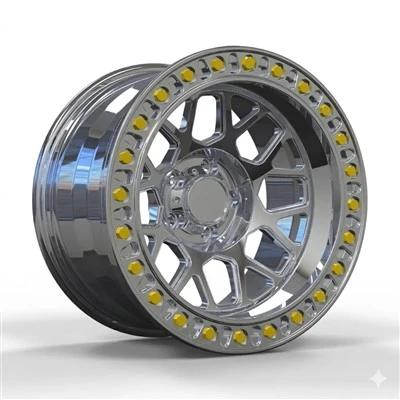
First, let’s get one myth out the way right now: forged wheels aren’t just for track days or luxury weekend cars. Yeah, they’re stronger than cast wheels—forged is made from a single block of aluminum, heated and pressed into shape, not melted and poured into a mold like cast. That means they can handle way more stress. So you might be thinking, “If they’re stronger, why would winter tires ever be a problem?” Fair question, but it’s not about strength—it’s about the stuff that happens when temperatures drop below 45°F (7°C), and rubber does weird things.
Wait, let’s back that up a second. Winter tires aren’t just regular tires with a snowflake logo. Their rubber compound is softer, made to stay flexible in cold temps, instead of getting hard and slippery like all-season tires when it’s freezing. Now, how does that connect to wheels? Well, the biggest thing people miss is fitment clearance. A lot of winter tires are wider, or have a different sidewall height, than the all-season tires they run in summer. And forged wheels—especially the lighter, more popular styles we sell—can have super tight clearances for brake calipers, suspension parts, even the inner fenders. If you slap a winter tire that’s too wide on a forged wheel that was set up for summer tires, you might not notice it at first. But once you hit a pothole on a slushy road, or turn hard in a parking lot, that tire can rub on the caliper or the inner fender. We’ve had customers bring in wheels with worn brake lines from that exact mistake—costs way more than saving a few bucks on cheap winter tires.
But here’s the good part: if you get the fitment right, forged wheels work way better with winter tires than cast ones would. Let’s talk weight for a sec. Forged wheels are lighter than most cast wheels—we’re talking 10-15 lbs per wheel, sometimes more, depending on the style. That unsprung weight is a big deal in winter. Unsprung weight is the parts the suspension has to move: wheels, tires, brakes. Less of that means your suspension can react faster to ice, slush, those random potholes you can’t see in snow. I’ve had guys drive beat-up old F-150s with our forged winter wheel setups say they feel way more stable on black ice than with the heavy steel wheels they had before. That’s not just hype—physics checks out, and I’ve felt it in my own truck.
Another thing to consider: corrosion. Wait, why would winter tires cause corrosion? Because winter roads suck salt, sand, de-icing chemicals, all that gunk that’s terrible for metal. Forged wheels have a better surface finish, right? We coat ours with a clear powder coat or a high-quality anodizing that seals the aluminum way better than most cast wheels’ finishes. That means when you’re driving through a salted road, that gunk slides off easier, doesn’t get trapped in tiny pores in the metal. We see way fewer forged wheels coming back with rust pitting than cast ones, even after a whole winter in places like Minnesota or upstate New York where they dump salt like it’s going out of style.
But let’s not gloss over the red flags. There are a couple of times when running forged wheels with winter tires is a bad call, and I don’t sugarcoat that. First, if your forged wheels are really old, like vintage ones from the 90s or early 2000s. Back then, forging processes weren’t as consistent, and some of those old wheels have hidden micro-cracks that you can’t see with the naked eye. Cold temps make metal more brittle, so if you run a 25-year-old forged wheel with winter tires and hit a hard spot, there’s a higher risk of a crack spreading. If you’ve got vintage wheels, bring ’em to a shop to get inspected before putting winter tires on—don’t risk it.
Second, if you’re running super aggressive fitment, like a 15mm spacer or a wheel offset that’s way more negative than it was designed for. Spacers add stress to the wheel studs, especially in cold weather, and if you pair that with the soft winter tire’s give, you’re asking for a wheel stud to snap. We get so many guys ordering spacers online, slapping them on, and then wondering why their forged wheel wobbles at 60 mph. Spacers should be a last resort, not a first step—especially for winter use.
Wait, also, tire pressure. A lot of people underinflate winter tires for better traction in snow, right? But too low pressure puts extra stress on the sidewall, and if your forged wheel has a narrow or wide rim that’s not matched to the tire’s width, that stress gets worse. Forged wheels can handle more pressure than cast, but you still need to follow the tire manufacturer’s specs, not the wheel’s max pressure. I’ve seen a guy overinflate winter tires because he thought the forged wheel could take it, and he ended up blowing a tire on a icy backroad. That’s a costly mistake.
Let me throw in a real example from last winter. We had a customer in Denver, a dude with a Subaru WRX, hit us up saying his cast wheels cracked after two weeks of snow driving. He wanted to upgrade to forged, and asked if he could keep his existing winter tires. We checked his tire size—225/45R17—and matched it with our lightweight 17×8 forged winter wheel, which has the right backspacing for his brake calipers. He ran that setup all winter, and DM’d me a month ago saying he slid into a patch of black ice on I-70 and didn’t spin out, something he’d done three times the winter before with cast wheels. That’s the kind of win we love to see—forged wheels doing their job in the cold, not just looking cool.
But wait, what about people who have budget forged wheels? Like, the ones you see on Amazon or eBay for $500 a set? Let’s be real—most of those aren’t actually forged. They’re “flow-formed,” which is a middle step between cast and forged, or sometimes they’re labeled forged but are just cast with a fancy finish. If you’re buying cheap “forged” wheels that aren’t actually real forged, then yeah, winter tires might be a problem. The quality control is bad, the metal isn’t consistent, so cold temps will mess with it. We sell real forged wheels, all made in-house with our forging press, and every single one gets tested for structural integrity before it leaves our warehouse. That’s the difference—you get what you pay for, especially with wheels.
Now, let’s talk about a few tips to make sure this works for you. First, get your fitment checked. Don’t just guess—use a wheel fitment calculator, or bring your current tires to a shop that knows wheels, and ask if your existing winter tires will work with your forged wheels. If you’re buying new, make sure the wheel’s width is within the tire manufacturer’s recommended range. For example, a 225-width tire works on a wheel that’s 7.5 to 8.5 inches wide—so don’t put a 225 on a 6-inch or 9.5-inch forged wheel, that’ll cause rubbing or blowouts.
Second, store your forged wheels properly when you’re not using them. Winter tires go on in October, off in April, right? Don’t just stack them in a corner of your garage. Clean the salt and gunk off with mild soap (no high pressure washing too close to the barrel, that can damage the finish), dry them completely, and store them upright, not leaning against a wall. Cold, damp garages are bad for aluminum, so if you can put them in a climate-controlled space, even better. We give every customer a free cleaning kit with their wheel order, because we hate seeing our wheels get ruined by neglect in the off-season.
Third, don’t skip the lug nut torque. When you mount winter tires on forged wheels, torque the lugs to the manufacturer’s spec (usually 80-100 ft-lbs, but check your car’s manual). A lot of people undertighten, especially when they’re in a hurry to get snow tires on, and that can cause the wheel to wobble. Or overtighten, which can strip the lug holes in the forged wheel—forged aluminum is strong, but it’s not indestructible. I’ve seen a customer overtighten lugs so bad he had to drill out the wheel to get the lugs off. Ouch.
Wait, another thing: TPMS (Tire Pressure Monitoring System). A lot of new cars have TPMS, and when you change wheels, you need to transfer or replace the TPMS sensors. Forged wheels have just as much space for TPMS as cast wheels, but make sure the sensor is mounted right—don’t let it bang against the wheel’s inner barrel when you hit a pothole. We include TPMS mounting instructions with every wheel set we sell, so you don’t have to guess.
Let me wrap this up so it’s not a novel (though I love talking wheels, what can I say). The short answer is: yes, you can use forged wheels with winter tires, as long as you do it right. It’s not a “one size fits all” thing—you can’t just grab any forged wheel you like and slap your winter tires on. But if you get the fitment right, go with quality forged wheels (not the fake cheap ones), follow tire pressure and torque specs, and clean them regularly, you’ll have a setup that’s way more reliable and safer in the cold than cast wheels would be.
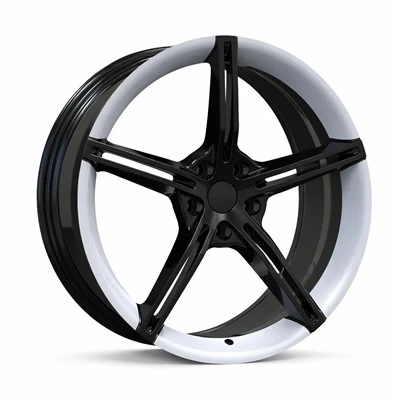
If you’re in the market for forged wheels for winter, or you’ve got questions about your current setup, hit us up. We’ve been doing this long enough to help you pick the right size, the right finish, make sure it fits your car and your winter tires. No sales pitch, no pushy stuff—just real advice from guys who drive in the same snowy, slushy roads you do. Don’t risk your safety with a bad wheel-tire combo this winter.
Spoke Wheels REFERENCES
- Society of Automotive Engineers (SAE) J2532: Forged Aluminum Wheels for Passenger Vehicles
- Rubber Manufacturers Association: Winter Tire Performance Guidelines for Cold Weather Operation
- Aluminum Association: Corrosion Resistance of Forged vs. Cast Aluminum Alloys in Road Salt Environments
Hurong (Ningbo) Wheels Co., Ltd.
Hurong (Ningbo) Wheels Co., Ltd. is one of the most professional forged wheels manufacturers and suppliers in China, also supports customized service and OEM service. Welcome to wholesale bulk high quality forged wheels made in China here from our factory. If you have any enquiry about cooperation, please feel free to email us.
Address: Floor.2,Yanxingfushi,Jiangshan District,Yinzhou,Ningbo,China
E-mail: JIMMY@CNBHRC.COM
WebSite: https://www.hrc-wheel.com/
