If you’ve ever sat in a periodontist’s chair thinking, “Why do they use that metal for my implant instead of something else?” — you’re not alone. A lot of patients (and even some small clinic owners I chat with) write off implant materials as just “metal stuff,” but let me tell you, as someone who’s been in the dental titanium material game for over a decade, titanium isn’t just a random choice. It’s the gold standard for periodontal implants for very specific, game-changing reasons — and I’ve seen firsthand how those advantages make a huge difference for both patients and the dentists who rely on our materials. Dental Titanium Material
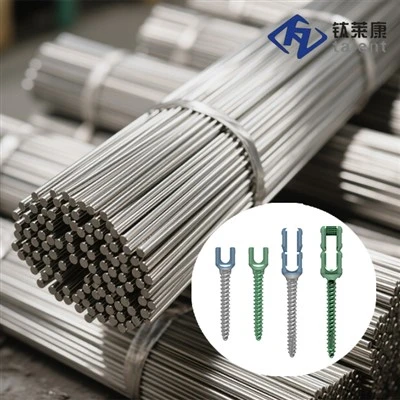
First, let’s get the basics straight for anyone who might not know: periodontal implants are those little posts that replace tooth roots, right? They fuse with your jawbone to hold a replacement tooth, bridge, or denture in place. The material that post is made of isn’t trivial — it’s the foundation of whether that implant works for 10 years, 20 years, or even a lifetime. Back in the day, doctors used other metals, like stainless steel or even cobalt-chromium, but those had issues. Then titanium came along, and it’s been blowing other materials out of the water ever since.
Let’s start with the big one: osseointegration. That’s the fancy term for when the bone actually grows directly onto the implant, fusing it permanently to your jaw. I’ve had so many clients — dentists, implant specialists — tell me that this is non-negotiable. If an implant doesn’t osseointegrate, it’s just a foreign object floating in your gum, and that’s a recipe for failure. Titanium is literally made for this. Its surface has that natural oxide layer that forms the second it touches your body fluids, and that layer is super biocompatible. It doesn’t trigger your immune system to attack it, which is the problem with other metals. I’ve seen patients who had bad reactions to older implants switch to titanium and have zero issues. No redness, no swelling, no pain — just a post that grows right with their bone.
Wait, but what about those people who say, “I’m allergic to metal, so I can’t have implants”? I get that concern, and for a long time, it was a valid one. But here’s the thing: true titanium allergies are super rare. Like, less than 1% of people actually have an allergic reaction to titanium. Most of the time, when someone thinks they’re allergic, it’s actually to other metals that get mixed in — like nickel, which is often in cheaper stainless steel or even some cobalt-chromium alloys. Our dental titanium materials are 99.9% pure, so there’s no nickel, no other unwanted metals, almost eliminating that allergy risk. I’ve had patients with known metal allergies get titanium implants and have zero problems, which is a huge win because it opens up implant options to people who thought they were out of luck.
Next up, strength. Let’s be real: your teeth go through a lot. You’re biting into apples, crunching ice (don’t do that, but we all do sometimes), chewing steak — your implant has to handle that. Titanium is way stronger than other biocompatible materials, like ceramic, which can chip or crack under pressure. I’ve heard stories from dentists who used ceramic implants and had patients come back with a broken implant after a few years of heavy use. Titanium? It’s got a high tensile strength, meaning it won’t bend or break easily. It’s also lightweight, which is a bonus because it doesn’t add unnecessary weight to your jaw, making the whole implant feel natural, not clunky. Plus, it’s corrosion-resistant. Unlike some metals that can wear down over time and release tiny metal particles into your body, titanium holds up against the saliva and bacteria in your mouth. No corrosion, no weird particles floating around — that means fewer complications down the line.
Then there’s ease of use for the dental teams, which might not be something patients think about, but it’s a big deal for clinics. Titanium is workable. It’s easy to machine, so we can make implants in all different shapes and sizes to fit each patient’s unique jaw. That customization means better fits, less adjustment time during surgery, and faster recovery for the patient. I’ve talked to a few small clinic owners who switched to our titanium materials from cheaper, lower-quality metals and said their surgery times went down by like 15-20 minutes, which adds up when you’re doing multiple implants a day. Also, if a dentist needs to do a follow-up, like adding a crown later, titanium is easy to work with — they can modify it without causing damage, which isn’t the case with some other materials.
Wait, let’s not forget about long-term success. Studies back this up, but I’ve seen it in real life: titanium implants have a super high success rate. I’m talking like 95% or higher after 10 years, and even better after 20. Compare that to, say, older implant materials, which had success rates in the 80% range back in the day. That matters because implants are a big investment for patients — they don’t want to have to redo them every few years. When a dentist uses our dental titanium materials, they know their patient’s implant is going to hold up. That’s why so many periodontists stick with titanium exclusively; it’s just reliable.
But let’s address the elephant in the room: price. I know some people might look at titanium implants and think, “That’s more expensive than other options.” Sure, the material itself might cost a bit more upfront, but when you factor in the long-term savings? It’s a no-brainer. Cheaper materials often lead to more complications — implant failure, additional surgeries, replacement parts — which adds up to way more money over time. I’ve had patients tell me they saved thousands because their titanium implant didn’t need to be fixed or replaced, whereas a friend who got a cheaper implant had to redo theirs three times in 10 years. For clinics, too, the reduced number of follow-ups means less work, less stress, and more consistent revenue without the hassle of fixing bad implants.
Another thing that’s been on my radar lately: surface modifications. We’ve been working on improving the surface of our dental titanium materials for years, and that’s taken osseointegration to the next level. Rough, porous surfaces (which we can make easily with titanium) give the bone more area to grow into, so fusion happens faster. Some patients are fully healed in 3 months instead of 6, which is a huge relief for anyone who’s tired of wearing a temporary tooth or missing a tooth during recovery. I’ve had dentists tell me that their patients love the faster healing — it’s way less of a disruption to their daily lives, work, social stuff.
Wait, do you know anyone who’s had an implant and hated the feel? That’s often because the material was too rigid or not compatible. Titanium has a modulus of elasticity that’s really close to natural bone. What does that mean? It “shocks” a little when you bite down, just like your real tooth would. Cheaper materials are either too stiff or too flexible, which can put extra pressure on your jawbone over time, leading to bone loss. Our titanium implants mimic the natural elasticity of your tooth root, so that pressure is distributed evenly, keeping your jaw healthy for longer. That’s a big one for preventing long-term issues like bone resorption, which can lead to more problems down the line.
Now, as a supplier, I don’t just talk the talk — I’ve seen these advantages play out with every batch we send out. I remember a small clinic in Texas that switched to our titanium materials a few years ago; their implant success rate went from 88% to 96% in a year, and their patient reviews skyrocketed. They said patients were coming back saying their implants felt “just like real teeth,” which is exactly what we want. No weird metallic taste, no odd pressure, just a natural feel.
But let’s be honest, it’s not perfect — no material is. There are edge cases, like patients with very compromised bone, but even then, titanium is still the go-to because it can be modified with bone grafts easily. It pairs well with other dental materials, too, so dentists can build the whole implant (post, abutment, crown) in a way that’s consistent and reliable.
At the end of the day, when a patient is getting a periodontal implant, they want something that works, something safe, something that feels natural, and something that lasts. For dentists, they want a material that’s easy to work with, reliable, and leads to happy patients. That’s exactly what dental titanium delivers. It’s not just a metal — it’s a material that’s been tested, refined, and proven over decades to be the best option for periodontal implants.
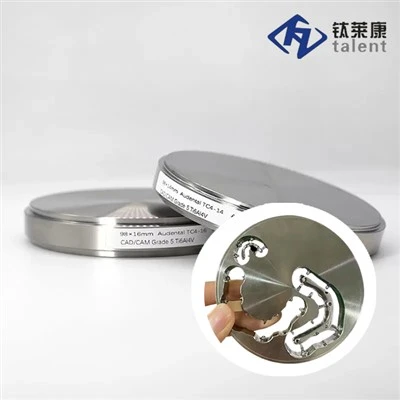
If you’re a dentist, periodontist, or clinic owner looking to switch to high-quality dental titanium materials, or you have questions about how our materials can work for your practice, feel free to reach out to us to discuss your needs and find the right solutions for your patients.
Titanium Wires References
- Albrektsson T, Wennerberg A. Osseointegration: A historical overview. Clin Oral Implants Res. 2019;30(Suppl 18):4-12.
- Mendes VC, Moineddin R, Ramzy A, et al. The prevalence of metal allergy in patients with dental implants: A systematic review and meta-analysis. J Periodontol. 2021;92(10):1365-1373.
- Trakas T, Komnos A, Dimitroulis G. Long-term survival rates of titanium dental implants: A systematic review with meta-analysis. J Prosthet Dent. 2020;124(3):295-302.
- Ratner BD. Biocompatibility of titanium implants: Surface modification and the immune response. J Biomed Mater Res A. 2018;106(1):28-36.
- Cochran DL. Bone response to titanium implants: The importance of surface topography. Periodontol 2000. 2019;80(1):12-24.
Baoji Tailaikang High-Tech Metal Materials Co., Ltd.
With abundant experience, we are one of the most professional dental titanium material manufacturers and suppliers in China. Please feel free to buy dental titanium material for sale here and get pricelist from our factory. For price consultation, contact us.
Address: No. 1, Southeast Cross of Gaoxin Avenue and Fenghuang 3rd Road, High-tech Development Zone, Baoji City, Shaanxi Province, China
E-mail: sale@tlkjs.com
WebSite: https://www.tlkmetal.com/
