Alright, let’s cut to the chase. If you’re in the business of working with specialty fabrics—whether you’re a tailor, upholsterer, costume designer, or even a hobbyist who scored that killer vintage velvet or performance geo-mesh—you know that cutting these isn’t like grabbing a cotton sheet and a pair of kitchen scissors. Specialty fabrics are tricky: they shift, stretch, fray, or even melt if you look at them wrong. And as someone who’s been supplying these weird, wonderful, high-maintenance materials for over a decade, I’ve seen too many folks mess up a $50 yard of silk organza because they skipped a few key steps. Let’s walk through this, no fancy jargon, just real tips I’ve picked up from dealing with fabric that’s not your basic t-shirt cotton. Specialty Fabric
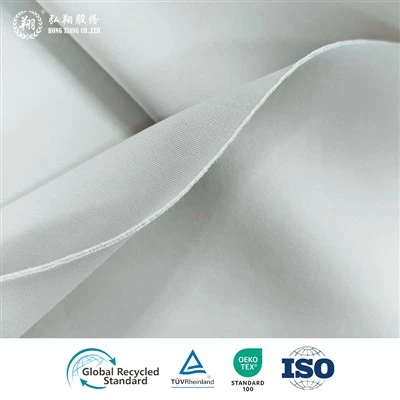
First off, let’s talk pre-cut prep. I know, I know—you’re excited to get to the good part, but pre-cut is where 80% of the mistakes happen. Think about it: specialty fabrics almost always come on a roll, right? If you just unroll them and plop them on your table, they’re gonna be twisted, stretched, or have that little “roll curl” that’ll make your pieces lopsided. My first rule here is let the fabric breathe. Unroll it, lay it flat on a clean, big surface (no rough garage floors or tables with sticky sap—trust me), and let it rest for at least 24 hours. For fabrics that hate being flat, like knits or silks that roll at the edges, weigh down the corners with something heavy (like pattern weights, not those random cans of soup that might leave a ring) and smooth out the wrinkles with your hands, not an iron yet. Wait, hold on—speaking of ironing: always check the fiber content. If it’s a heat-sensitive fabric, like certain performance polyesters or silk charmeuse, steam is your friend, not a hot iron. Too much heat and you’ll get shiny spots that you can’t get out, and that’s a death sentence for upholstery or wedding wear. One more pre-cut trick: if your fabric is super slippery, like satin or chiffon, throw a sheet of tissue paper between the fabric layers when you fold it out. It stops it from shifting while you’re cutting, no extra tools needed.
Next up, choosing your tools. You wouldn’t use a butter knife to cut cardboard, so why use household scissors for specialty fabric? I see this all the time—people grab their trusty kitchen shears and wonder why they’re leaving frayed edges or uneven cuts. For most specialty fabrics, you need sharp, heavy-duty fabric shears. Not craft scissors, not paper scissors—actual shears that are meant for cutting cloth. The blade should be long (6-8 inches minimum) so you don’t have to saw back and forth, which causes stretching. If you’re dealing with really thick stuff, like canvas for outdoor upholstery or heavy wool suiting, get a pair of bent shears. The offset handle lets you see exactly where you’re cutting, so you don’t accidentally snip off part of your pattern. And for fabrics that fray like crazy—hello, linen or rawhide leather—maybe invest in a rotary cutter with a sharp blade? They make cleaner, straighter cuts on multiple layers and don’t pull the fabric threads. Just make sure you change the blade regularly; a dull rotary cutter will tear fabric way worse than sharp scissors. Pro tip: never use your fabric shears for anything else. If you cut paper with them, they’ll get sticky and dull, and that’s when you start messing up your fabric. I’ve been through so many pairs because I’m messy, but I keep a separate pair just for specialty fabric—worth every penny.
Now, the actual cutting part. First, pinning vs. pattern weights. I know pattern pins are easy, but for slippery fabrics like silk charmeuse or stretch fabrics like spandex, pins can leave holes or stretch the fabric when you pull them out. So swap pins for pattern weights—little metal or glass beads, even smooth rocks (clean, obviously) that you place on the edges of your pattern. If you have to use pins (like for really thick fabric where the pattern might shift), use fine, sharp silk pins, not big thick ones. And always pin parallel to the edge of your pattern, not across it, so you don’t pull the fabric. When laying out your pattern pieces, make sure you’re following the grainline—this is non-negotiable. Specialty fabrics don’t stretch the same way with the grain vs. against it. If you cut against the grain, your shirt will pull weird, or your upholstery will sag over time. Most fabric rolls have a straight line of threads you can follow for the grainline, or we always mark the grain on our pattern pieces when we supply them—just follow that line straight on your table.
For really tricky fabrics, here are some specific hacks I’ve learned: If you’re cutting velvet or any pile fabric, you have to cut with the nap, not against it. Run your hand over the fabric—if it feels smooth, that’s the direction you cut. If you cut against the nap, you’ll have lighter patches on your finished piece that you can’t fix, and it looks like a cheap knockoff. For lace, which is super delicate, place your pattern on a sheet of muslin first, then pin the lace to the muslin and cut through both. The muslin stabilizes the lace so it doesn’t stretch or tear. For stretch fabrics, like neoprene or jersey, lay your pattern slightly relaxed—don’t pull it tight, because once you cut it, it’ll bounce back and be too small. And if you’re cutting something that’s prone to melting, like certain polyesters, never use serrated scissors. They’ll cause friction and make the fabric melt at the edges. Straight blades only, and go slow, steady, no rushing.
Wait, let’s talk about mistakes I’ve seen (and made) that you can avoid. Rushing is the big one. I once had a customer who bought 10 yards of heavy upholstery canvas and tried to cut it in 10 minutes because she had a deadline. She ended up with pieces that were half an inch off, and the fabric was stretched where she pulled it with the scissors. Take your time—lay everything out, double check the grain, make sure your pattern is straight. Another mistake: not testing a scrap first. Always cut a tiny scrap of your specialty fabric to test the tools and the cutting direction. If you’re not sure if the scissors will cut clean, or if the rotary cutter will tear, test it on a leftover scrap from when you bought the fabric. That way, you don’t ruin the whole piece. And last, don’t trim excess fabric until all your pieces are cut. I see people snip off extra as they go, and then when they realize they need an extra half inch here, they’re stuck with a too-short piece.
At the end of the day, cutting specialty fabric is all about patience and respecting the material. These fabrics aren’t like your old cotton bed sheets that you can hack through with whatever you have. They’re designed for specific uses—wedding dresses, outdoor furniture, athletic wear—so they need a little extra care to make them look good and last.
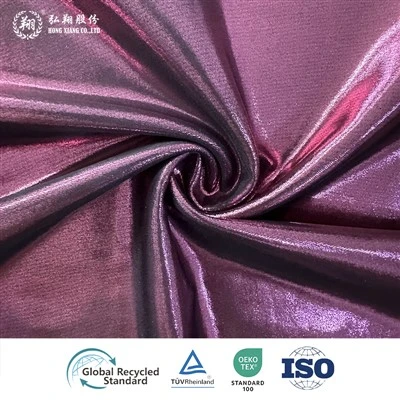
If you’re working with a tricky specialty fabric and still not sure how to cut it right, or you need help picking the right tools, we’re here. We’ve supplied designers, tailors, and hobbyists with all kinds of specialty fabric for years, and we know how finicky these materials can be. Shoot us a message to chat through your project, whether it’s a one-yard swatch or a big upholstery job—we’ll help you get it right. No sales pitches, just real advice from people who know fabric.
Jacquard Knitted Fabric Reference:
- The Textile Institute. (2020). Cutting Practices for Specialty Fabrics. Textile Production & Finishing Journal, 45(2), 112-128.
- Upholsterers Association of North America. (2022). Guide to Cutting Specialty Upholstery Materials. Professional Fabric Care & Installation Manual, 19, 74-82.
- Costume Designers Guild. (2021). Working with Delicate Specialty Fabrics: Cutting and Prep Tips. Costume Industry Resource Guide, 12, 41-55.
Zhejiang Hongxiang Textile Technology Co., Ltd.
Zhejiang Hongxiang Textile Technology Co., Ltd. is one of the most professional specialty fabric manufacturers and suppliers in China. With abundant experience, we warmly welcome you to wholesale custom made specialty fabric from our factory. If you have any enquiry about cooperation, please feel free to email us.
Address: No. 8, 12th Road, Warp Weaving Park, Maqiao Street, Haining City, Jiaxing City, Zhejiang Province
E-mail: gd@hongxiang888.cn
WebSite: https://www.h-xiang.com/
