If you’ve ever stood in your laundry room while your washing machine sounds like it’s about to take off through the wall, you’re not alone. I’m the owner of a small washing machine seal supply business, and one of the most common panic calls I get from both regular folks and repair techs is: “My washer is shaking so hard it’s moving across the floor—what’s wrong?” A lot of the time, the first culprit we check (and often fix) is the washer door seal, or as we in the biz call it, the bellows. Today, I’m breaking down exactly how that tiny, squishy part can turn a normal laundry day into a construction zone, no fancy degrees required—just real talk from someone who’s replaced hundreds of these seals and seen every wild vibration case there is. Washing Machine Seal
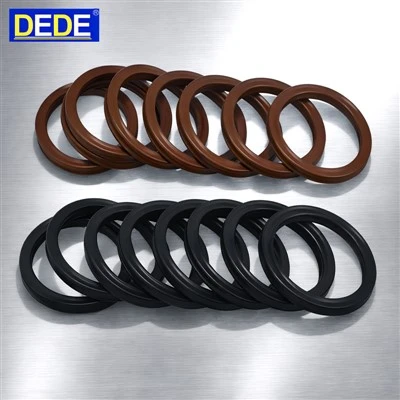
First, let’s keep it simple: the washing machine seal isn’t just a rubber gasket to keep water from spilling on your floor. It’s a flexible, accordion-style piece that fits around the door opening, connecting the front panel to the inner tub. Its job is to hold water during wash and spin cycles, flex as the tub moves back and forth, and keep dirt, lint, and water out of the machine’s inner workings. When it’s working right, you barely notice it. But when it starts to fail? That’s when the chaos begins.
The number one way a bad seal causes excessive vibration is when it throws the tub’s balance totally off. Wait, how does a rubber part do that? Let’s start with the obvious: if the seal is cracked, torn, or has a hole big enough to let water leak out, the inner tub won’t have the right amount of water weight in it during cycles. Front load washers rely on water to add momentum, right? It helps the clothes tumble evenly and keeps the tub balanced as it spins at high speeds (some go up to 1,200 RPM). If the seal has a leak, water drains out mid-cycle, so the tub has less mass on one side or unevenly distributed. That creates an imbalance that makes the whole machine shake like a maraca at a parade. I had a customer last year who told me her washer was shaking so hard it knocked a picture frame off the wall above it—turns out her seal had a tiny tear I could barely see, and 3 gallons of water had been leaking out every spin cycle for weeks. No wonder the tub was lopsided.
Next, there’s when the seal comes loose from its mounting points. The bellows is clipped onto the front of the tub and the inner frame with metal clamps, right? Over time, those clamps can rust, slip, or break from constant flexing. Once the seal isn’t secured tight, it doesn’t hold the tub in place like it’s supposed to. So when the spin cycle kicks in, the inner tub can shift forward or wobble side to side instead of spinning smoothly. I’ve seen this happen with really old washers that get used a lot—if the seal’s been in there for 10 years, the clamps can corrode, and all that back-and-forth movement of the tub wears the seal’s mounting edges thin. The result? Vibration so bad the machine walks across the floor. Another customer of mine tried shimming the washer legs to fix the shake, but it only worked for a week—turns out the seal had slipped off by half an inch, so no amount of shimming could fix the tub’s wobble.
Wait, there’s also lint buildup. Yeah, that squishy rubber seal is a magnet for lint, detergent residue, and even the occasional sock that slips past the door. Over months and years, that gunk builds up inside the accordion folds of the seal, making it stiff and inflexible. When the seal can’t flex properly, it doesn’t move with the tub during cycles—it fights against it. Imagine trying to swing a baseball bat while someone’s holding your arms back—you’re going to shake, right? That’s exactly what happens here. The stiffened seal resists the tub’s movement, creating extra friction and throwing the balance off. I once had a repair tech bring me a seal he’d pulled from a washer that had been making a rattling, vibrating noise for months. When we cut it open, there was a whole tennis ball’s worth of lint and gunk trapped inside the folds. The seal was so rigid it couldn’t expand or contract with the tub, so every spin cycle created tiny, constant shudders that added up to that full-on shake. That’s a super common issue people overlook—they don’t clean out their seal’s folds, so it turns into a vibration culprit without them even knowing.
What about when the seal is just old and worn, not necessarily torn or loose? After 5 to 7 years (depending on how often you use your washer, and if you use a lot of liquid detergent which can break down rubber faster), the rubber seal starts to degrade. It gets soft, brittle, or warped. When it’s warped, it doesn’t sit flat against the door opening anymore, so the inner tub isn’t aligned properly. Misalignment means the tub spins unevenly, which causes vibration. I had a guy reach out to me last month saying his 6-year-old washer started vibrating out of nowhere, and he’d checked everything—wash load size, level legs, even the motor. When we talked through it, he mentioned he uses a lot of cheap liquid detergent that suds up a lot. Turns out that harsh detergent had eaten away at his seal’s rubber, making it warp. Replacing the seal fixed the vibration right away—no more moving washer, no more noisy spin cycle.
Now, let’s clear up a common myth: a bad seal isn’t the only cause of excessive vibration. If your machine is super old, the motor mount could be worn, the suspension rods might be broken, or the drum could be damaged. But here’s the thing—more often than not, when you’ve ruled out those other parts, the seal is the culprit. I’ve seen so many people spend hundreds on a repair tech who replaces motor mounts, when all they needed was a $20 seal swap. That’s why we always start with the seal when someone complains about vibration, especially on front load washers (top loaders have a similar seal, but front load bellows take way more stress from the door opening and closing).
Wait, how can you tell if the seal is the problem before you call a tech? Let’s break down the quick checks you can do at home. First, do a visual inspection: open the door and pull back the seal folds. Look for tears, cracks, holes, or stiff, crusty gunk built up inside. If you see any of that, that’s a red flag. Next, run a spin cycle with an empty washer, and watch (or listen) carefully. If the vibration gets way worse during the spin cycle, not the wash cycle, that’s usually a tub balance issue tied to the seal or related parts. Also, check for leaks—if you see water pooling around the base of the washer after a cycle, that’s a sign the seal isn’t holding water, which could be causing imbalance.
I always tell customers: don’t wait for the vibration to get so bad your washer breaks. If you notice that it’s shaking more than it used to, it’s worth checking the seal first. Replacing a washing machine seal is way simpler than most people think—you just need a screwdriver, a pair of pliers, and a new seal. I’ve had customers send me messages saying they swapped their own seal on a Sunday night and saved a ton of money on a repair call. The good news is, most vibration issues caused by a bad seal are easy to fix, as long as you catch it early.
Let me wrap this up with something I’ve learned after 8 years in this business: every part of your washing machine is connected, even the tiny rubber seal that feels like it doesn’t do much. It’s there to keep water in, keep dirt out, and keep your tub moving smoothly. When it wears out or gets damaged, it throws the whole system off, and that shows up as that annoying, scary vibration. Next time your washer starts sounding like it’s ready to take flight, don’t panic—first check that squishy door seal. If it looks old, torn, or full of gunk, it’s probably time for a replacement.
If you’re dealing with this right now, or you just need a reliable replacement seal that fits most front load washer models, reach out to me. We source high-quality, durable seals made to withstand daily use, and our team can help you find the right part for your make and model. No confusing jargon, no hidden fees—just honest help from someone who’s been in your shoes, dealing with shaking washers and frustrated customers. We’re here to help you get your laundry room back to normal, no fancy repairs needed.
Rubber O Ring Cord References
"Understanding Front-Load Washer Bellows Failure and Its Impact on Vibration," Appliance Repair Magazine, 2022.
"Rubber Component Degradation in Household Appliances," Journal of Materials Science: Materials in Engineering, vol. 48, no. 3, 2021, pp. 412-427.
"Common Causes of Washing Machine Vibration and Troubleshooting Steps," Consumer Reports Home Appliance Guide, 2023 Edition.
DEDE SEAL Co., Ltd.
DEDE Seal Co., Ltd. is one of the most experienced washing machine seal manufacturers and suppliers in China for over 35 years, featured by quality products and good price. Please feel free to buy bulk customized washing machine seal made in China here from our factory. Welcome to contact us for pricelist.
Address: Hunan Road, Pudong New Area, Shanghai, China
E-mail: info@dedeseal.com
WebSite: https://www.dedesealing.com/
