If you’ve ever stood in a metal fabrication shop, watching a forging machine shape a hunk of hot steel into a crane hook, a wrench, or a gear for a construction vehicle, you know those machines are far more than metal boxes with levers. They’re precision tools built to handle thousands of pounds of force, and their operation is a balance of skill, preparation, and strict adherence to process. That’s where forging machine operation manuals come in—they’re not just booklets; they’re the instruction playbooks that keep operators safe, machines running smoothly, and production on track. As a forging machines supplier that’s worked with small family-owned metal shops and large aerospace manufacturing facilities for over 15 years, I’ve seen firsthand how many operators, new and seasoned alike, underestimate just how critical these manuals are. I’ve also fielded hundreds of calls a month from folks struggling to track down the right manual for their machine, so let’s break down what these manuals actually are, why they matter, and where you can find the right one for your forging equipment. Forging Machines
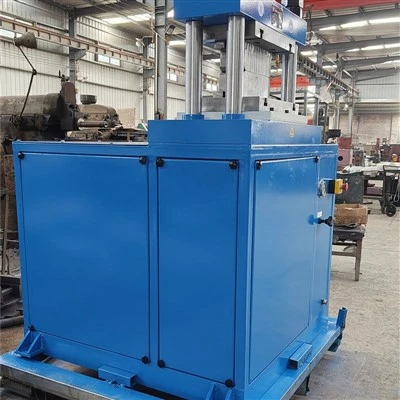
First, let’s get clear on what a forging machine operation manual is, because it’s not the same as a generic safety guide for workshop tools. A quality manual is a specific, machine-specific document created by the original equipment manufacturer (OEM) of your forging press, hammer, or upsetter. It’s tailored to your machine’s model, serial number, power rating, and even the specific configuration it left the factory with—things like whether your press has an automatic feed system, a programmable logic controller (PLC) interface, or a quick-change die setup.
Inside, you won’t just find “push this button” instructions. A good manual is split into sections that cover every part of the machine’s lifecycle, from uncrating and installation all the way through routine maintenance, troubleshooting, and even decommissioning. The safety section is often the longest, and for good reason: forging machines generate massive, sudden force—up to 10,000 tons for large hydraulic forging presses—and a wrong move, a skipped safety check, or a misadjusted component can lead to serious injury or equipment damage. I once worked with a shop that skipped the pre-operation safety check outlined in their manual and ended up with a broken ram that took out half their workcell; they had to shut down for six weeks, costing them more in downtime than the manual’s entire value.
Other key sections include operation steps: for a mechanical forging hammer, that might be adjusting the ram stroke, setting the blow energy, and syncing the feed mechanism; for a servo-electric forging press, it could be programming custom forging cycles via the HMI (human-machine interface). There are also maintenance schedules—daily checks like lubricating guide rails, weekly inspections of hydraulic hoses, monthly calibrations of pressure gauges, and annual overhauls of key components. The troubleshooting section is a lifesaver too: if your machine is producing uneven forgings, the manual will walk you through checking die alignment, ram parallelism, or pressure regulator settings before you call a service tech.
Now, why is it so important to use the correct manual for your specific machine? I can’t tell you how many times I’ve seen an operator use a manual for a 200-ton mechanical press on a 500-ton hydraulic press, because they thought all forging machine manuals were the same. That leads to wrong maintenance intervals, incorrect safety settings, and even invalidating any warranty that might still be active on your machine. For example, if your machine is still under warranty from its original OEM, using a non-specific manual can void claims for defects in parts like the ram or control system.
So where do you actually get these manuals? Let’s go through the legitimate, reliable sources, ranked by how likely they are to give you the exact manual you need.
First, and always the best source, is your original equipment manufacturer, or OEM. If you bought your forging machine directly from a manufacturer, whether that’s our company or another, the OEM’s technical support team should have a copy of the operation manual on file for every model and serial number they’ve ever produced. When we get a request for a manual, the first thing we ask is the machine’s serial number—serial numbers aren’t just for tracking parts; they tell us exactly what model year, configuration, and set of specifications that machine left the factory with, so we can send the exact manual, not a generic one. Some OEMs will send a printed copy, but most now offer digital versions (PDFs) that you can save to your team’s shared drive, print copies for the shop floor, and search for specific terms if you’re troubleshooting a problem at 2 a.m. during a production run. The downside here is that if your machine is older, maybe 15 or 20 years old, some smaller OEMs might have updated their product lines, or even gone out of business, so they might not have old manuals on hand. That’s when you move to the next source.
The second source is authorized distributors or service centers for the OEM of your machine. If you bought your forging machine through a third-party distributor instead of directly from the OEM, that distributor will likely have access to the manual, or can request it from the OEM on your behalf. Authorized service technicians also often keep copies of manuals for the machines they service, because they need to reference them during repairs and maintenance. I’ve had distributors send us requests for manuals for machines they sold 10 years ago, and we’re always happy to help—because we know that when our customers’ equipment runs well, it helps us earn their repeat business, whether they’re buying a new press or replacement parts down the line.
Next, if you can’t get the manual from the OEM or their authorized channels, there are reputable third-party suppliers that specialize in industrial equipment manuals. But I can’t stress enough that you need to be careful here. I’ve heard horror stories from a customer who bought a manual from a random online seller for $20, only to find it was for a different model machine—different stroke length, different control system, even a different power supply. That led to a near-accident when the operator set the press pressure too high, because the manual said a different maximum limit than their actual machine. Legitimate third-party manual providers work from OEM-originated documents, so you’ll want to make sure they’re asking for your machine’s model and serial number before they send anything, not just the machine brand. Some also offer digital copies and printed versions, which can be helpful if you need a hard copy for the shop floor where Wi-Fi might be spotty.
Wait, there’s one more important source for users of our machines specifically: when we sell a new forging machine, we include a digital and printed copy of the operation manual for free, along with quick reference cards for the most common daily tasks, like pre-operation checks and emergency stop procedures. We also keep a library of all manuals for every model we’ve sold in the last 20 years on our customer portal, so existing customers can log in, search for their machine by serial number, and download a copy any time, day or night. For customers who bought machines from other manufacturers and are having trouble tracking down their manuals, we also have a team that can help verify the correct source, or even help us source a copy if the OEM is no longer in business—because we know the forging community is tight-knit, and we’re all here to keep shop floors running.
Before we wrap up, let’s cover a few common questions I get about operation manuals, because I know they’re on the minds of a lot of operators and maintenance managers. First: are operation manuals the same as parts manuals? No, absolutely not. A parts manual lists every individual part of your forging machine, part numbers, and diagrams for ordering replacements. An operation manual is for how to use, maintain, and troubleshoot the machine during its lifetime. You need both, but they serve very different purposes. Second: what if I modify my machine? If you add a new die heating system, upgrade the PLC controller, or make any other major modification, you’ll need an updated manual that reflects those changes. The original OEM or a qualified technician can help you create a supplementary manual that covers the modified parts, because using the old manual for a modified machine is just as dangerous as using a manual for a different machine.
Finally, a note on something that’s been a big topic in the forging industry lately: digital vs. printed manuals. I’ve worked in this space long enough to remember when every shop had a binder of printed manuals next to every machine, stained with oil and coffee, pages torn from being flipped through a hundred times a day. Now, more shops are going digital, and that’s a good thing—digital manuals can be updated easily, you can access them on a tablet next to the machine, and you can link troubleshooting steps to training videos or parts orders. But we also still provide printed copies, because sometimes the shop floor is loud, and a tablet screen in a dark area can be hard to read, or a wet hand can’t swipe through a PDF. The best approach is to have both: a digital copy for your team’s phones and tablets, and a printed, laminated quick reference for daily tasks, with the full manual in a binder for more detailed work.
At the end of the day, a forging machine is only as good as the people operating it—and the manual that guides them. Whether you’re a new shop owner with a single mechanical hammer, or a large facility with a dozen 1,000-ton hydraulic presses, having the right operation manual isn’t just a best practice—it’s a safety requirement, a way to minimize downtime, and a way to protect your investment in your equipment.
If you’re struggling to find an operation manual for your forging machine, or you’re in the market for a new forging press, hammer, or upsetter, our team is here to help. We can assist you in tracking down the correct manual for your existing equipment, or walk you through choosing the right forging machine for your production needs, from small custom parts to large-scale industrial components. Reach out to our sales team to discuss your requirements, and we’ll work with you every step of the way.
Small Turning Lathe References
- Forging Industry Association. (2022). Safety Guidelines for Forging Operations. FIA Publication No. SG-002.
- Occupational Safety and Health Administration (OSHA). (2021). Machine Guarding Standards for Forging Machinery. 29 CFR 1910.217.
- Miller, J. (2020). Best Practices for Industrial Equipment Operation Manuals. Industrial Maintenance & Plant Operation Magazine, 45(8), 22-27.
- Original Equipment Manufacturers Association. (2019). OEM Equipment Manual Compliance Standards. OEMA Technical Report TR-019.
Anyang Xinsheng Machine Tool Co., Ltd.
As one of the most professional forging machines manufacturers and suppliers in China, we have world-leading production equipment and strong manufacturing capabilities. Please feel free to buy high quality forging machines at competitive price from our factory.
Address: No.68 Renmin road, Anyang, Henan, China
E-mail: sales@xslathe.com
WebSite: https://www.xs-lathe.com/
