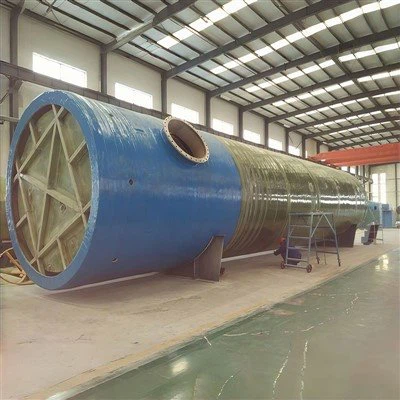
As a supplier of FRP (Fiber Reinforced Plastic) construction materials, I’ve encountered numerous inquiries regarding the electrical conductivity of our products. This topic is not only crucial for understanding the practical applications of FRP but also plays a significant role in various industries where electrical properties are a concern. In this blog, I aim to delve into the electrical conductivity of FRP construction materials, exploring its characteristics, influencing factors, and implications for different applications. FRP Construction Material
Understanding FRP and Its Basic Properties
FRP is a composite material composed of a polymer matrix reinforced with fibers, typically glass, carbon, or aramid. The combination of these materials results in a product that offers high strength, lightweight, corrosion resistance, and excellent durability. These properties make FRP an attractive choice for a wide range of construction applications, including bridges, buildings, and industrial structures.
One of the key features of FRP is its electrical insulation properties. Unlike metals, which are good conductors of electricity, FRP materials generally have low electrical conductivity. This characteristic is due to the non – metallic nature of the polymer matrix and the insulating properties of the fibers used in the composite.
Electrical Conductivity of FRP
The electrical conductivity of FRP is primarily determined by the type of fibers and the polymer matrix used in its construction. Glass fiber – reinforced plastics (GFRP) are among the most common types of FRP. Glass fibers are excellent electrical insulators, and when combined with a polymer matrix such as epoxy or polyester, the resulting GFRP has very low electrical conductivity. This makes GFRP suitable for applications where electrical insulation is required, such as electrical enclosures, cable trays, and insulating supports in electrical systems.
Carbon fiber – reinforced plastics (CFRP), on the other hand, have a relatively higher electrical conductivity compared to GFRP. Carbon fibers are electrically conductive, and the degree of conductivity in CFRP depends on factors such as the fiber volume fraction, fiber orientation, and the type of polymer matrix. CFRP can be used in applications where electrical conductivity is desired, such as electromagnetic shielding, lightning protection systems, and static charge dissipation.
Factors Influencing the Electrical Conductivity of FRP
Fiber Type and Volume Fraction
As mentioned earlier, the type of fiber used in FRP has a significant impact on its electrical conductivity. Carbon fibers are more conductive than glass fibers, and increasing the volume fraction of carbon fibers in the composite will generally increase its electrical conductivity. For example, a CFRP with a high carbon fiber volume fraction will have better electrical conductivity than one with a lower volume fraction.
Fiber Orientation
The orientation of the fibers in the FRP also affects its electrical conductivity. When the fibers are aligned in a particular direction, the electrical conductivity is higher along that direction. This anisotropic behavior means that the electrical properties of FRP can be tailored to meet specific application requirements by controlling the fiber orientation during the manufacturing process.
Polymer Matrix
The polymer matrix in FRP acts as a binder for the fibers and also influences the electrical conductivity of the composite. Some polymers, such as epoxy, have relatively low electrical conductivity, which helps to maintain the overall insulating properties of the FRP. However, certain additives can be incorporated into the polymer matrix to enhance its electrical conductivity, such as conductive fillers like carbon black or metallic particles.
Applications Based on Electrical Conductivity
Electrical Insulation Applications
Due to its low electrical conductivity, GFRP is widely used in electrical insulation applications. In the electrical power industry, GFRP is used for making insulating rods, cross – arms, and bushings. These components help to prevent electrical current leakage and ensure the safe operation of electrical systems. In addition, GFRP is used in the manufacturing of electrical enclosures for protecting sensitive electronic equipment from electrical interference.
Conductive Applications
CFRP’s relatively high electrical conductivity makes it suitable for applications where electrical conduction is required. In the aerospace industry, CFRP is used for electromagnetic shielding in aircraft to protect electronic systems from external electromagnetic interference. It is also used in lightning protection systems, where the conductive properties of CFRP allow it to safely conduct lightning strikes away from the structure.
Importance of Electrical Conductivity in Construction
In construction, the electrical conductivity of FRP materials can have a significant impact on the safety and performance of structures. For example, in buildings located in areas prone to lightning strikes, using FRP materials with appropriate electrical conductivity can help to protect the structure and its occupants. Additionally, in industrial facilities where static electricity can pose a safety hazard, FRP with proper electrical conductivity can be used to dissipate static charges and prevent potential explosions or fires.
Testing and Quality Control
To ensure the electrical conductivity of FRP materials meets the required standards, various testing methods are used. These include measuring the surface resistance and volume resistivity of the FRP samples. Surface resistance is a measure of the electrical resistance between two points on the surface of the material, while volume resistivity is a measure of the resistance of a unit volume of the material. By conducting these tests, manufacturers can verify the electrical properties of their FRP products and ensure they are suitable for the intended applications.
Conclusion
The electrical conductivity of FRP construction materials is a complex property that is influenced by various factors such as fiber type, volume fraction, fiber orientation, and polymer matrix. Understanding these factors is essential for selecting the right FRP material for specific applications, whether it requires electrical insulation or conduction.
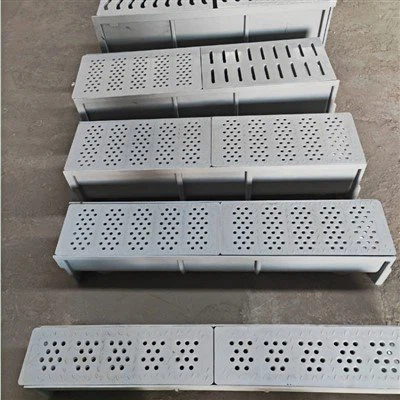
FRP Mold As a supplier of FRP construction materials, we are committed to providing high – quality products with well – defined electrical properties. Our team of experts can assist you in choosing the most suitable FRP material for your project based on your specific electrical requirements. If you are interested in purchasing FRP construction materials or have any questions about their electrical conductivity, please feel free to contact us for a detailed discussion. We look forward to working with you to meet your construction needs.
References
- "Composite Materials: Science and Engineering" by P. K. Mallick
- "Fiber – Reinforced Composites: Materials, Manufacturing, and Design" by Daniel V. Rosato
- Technical reports from leading FRP manufacturers on electrical properties of their products
Hebei Weihan Environmental Protection Equipment Co., Ltd.
We’re well-known as one of the leading FRP construction material manufacturers and suppliers in China, featured by quality products and good service. Please rest assured to buy customized FRP construction material at competitive price from our factory. Contact us for more details.
Address: No. 666 Chuangye Road, Zaoqiang County, Hengshui City, Hebei Province
E-mail: weihanmachine@gmail.com
WebSite: https://www.whanfrp.com/
