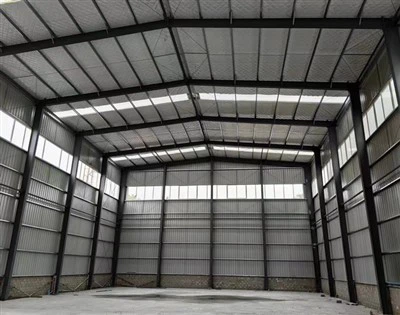
Condensation in a steel aircraft hangar can be a persistent and costly problem. As a supplier of Steel Aircraft Hangars, I’ve seen firsthand the challenges that condensation presents to aircraft owners and operators. In this blog, I’ll share some practical strategies to prevent condensation in your steel aircraft hangar, ensuring the protection of your valuable aircraft and the longevity of your hangar structure. Steel Aircraft Hangars
Understanding the Problem of Condensation
Before we dive into prevention methods, it’s important to understand what causes condensation in a steel aircraft hangar. Condensation occurs when warm, moist air comes into contact with a cold surface, such as the steel walls or roof of the hangar. When the air cools below its dew point, the water vapor in the air turns into liquid water, resulting in condensation.
In a steel aircraft hangar, several factors can contribute to the formation of condensation. These include temperature fluctuations, high humidity levels, poor ventilation, and the presence of moisture sources inside the hangar, such as aircraft wash water or wet equipment.
Insulation: The First Line of Defense
One of the most effective ways to prevent condensation in a steel aircraft hangar is to install insulation. Insulation helps to reduce the temperature difference between the inside and outside of the hangar, preventing warm, moist air from coming into contact with cold steel surfaces.
There are several types of insulation available for steel aircraft hangars, including fiberglass, spray foam, and reflective insulation. Fiberglass insulation is a popular choice because it is relatively inexpensive and easy to install. Spray foam insulation, on the other hand, provides a more airtight seal and can be applied directly to the steel walls and roof of the hangar. Reflective insulation is another option that reflects heat and helps to keep the hangar cool.
When installing insulation, it’s important to ensure that it is properly installed and sealed. Any gaps or holes in the insulation can allow warm, moist air to penetrate and come into contact with the cold steel surfaces, resulting in condensation.
Ventilation: Keeping the Air Moving
Proper ventilation is essential for preventing condensation in a steel aircraft hangar. Ventilation helps to remove warm, moist air from the hangar and replace it with fresh, dry air. This helps to reduce the humidity levels inside the hangar and prevent the formation of condensation.
There are several types of ventilation systems available for steel aircraft hangars, including natural ventilation, mechanical ventilation, and exhaust fans. Natural ventilation relies on the movement of air through openings in the hangar, such as doors and windows. Mechanical ventilation uses fans to blow fresh air into the hangar and exhaust stale air out. Exhaust fans are typically installed in the roof of the hangar to remove warm, moist air from the top of the hangar.
When designing a ventilation system for your steel aircraft hangar, it’s important to consider the size of the hangar, the number of aircraft stored inside, and the local climate. A professional ventilation contractor can help you determine the best ventilation system for your specific needs.
Dehumidification: Controlling Humidity Levels
In addition to insulation and ventilation, dehumidification can also be an effective way to prevent condensation in a steel aircraft hangar. Dehumidifiers work by removing moisture from the air, reducing the humidity levels inside the hangar and preventing the formation of condensation.
There are several types of dehumidifiers available for steel aircraft hangars, including refrigerant dehumidifiers, desiccant dehumidifiers, and whole-house dehumidifiers. Refrigerant dehumidifiers are the most common type of dehumidifier and work by cooling the air and condensing the moisture out. Desiccant dehumidifiers use a desiccant material to absorb moisture from the air. Whole-house dehumidifiers are typically installed in the HVAC system of the hangar and can provide dehumidification for the entire building.
When choosing a dehumidifier for your steel aircraft hangar, it’s important to consider the size of the hangar, the humidity levels inside the hangar, and the local climate. A professional HVAC contractor can help you determine the best dehumidifier for your specific needs.
Moisture Management: Eliminating Moisture Sources
Another important strategy for preventing condensation in a steel aircraft hangar is to manage moisture sources inside the hangar. This includes ensuring that aircraft are properly washed and dried before being stored in the hangar, and that any wet equipment or materials are removed from the hangar as soon as possible.
In addition, it’s important to prevent water from entering the hangar through leaks or cracks in the roof or walls. Regular inspections of the hangar structure can help to identify and repair any leaks or cracks before they cause problems.
Maintenance: Keeping Your Hangar in Good Condition
Finally, regular maintenance is essential for preventing condensation in a steel aircraft hangar. This includes inspecting the insulation, ventilation system, and dehumidifier on a regular basis to ensure that they are working properly.
In addition, it’s important to clean the hangar regularly to remove any dirt, dust, or debris that can accumulate on the walls and roof of the hangar. This can help to prevent the growth of mold and mildew, which can also contribute to the formation of condensation.
Conclusion

Preventing condensation in a steel aircraft hangar requires a comprehensive approach that includes insulation, ventilation, dehumidification, moisture management, and maintenance. By implementing these strategies, you can protect your valuable aircraft and the longevity of your hangar structure.
Steel Warehouses If you’re interested in learning more about our Steel Aircraft Hangars or need help preventing condensation in your hangar, please contact us. Our team of experts can provide you with the information and support you need to make the right decisions for your aircraft and your hangar.
References
- ASHRAE Handbook: Fundamentals. American Society of Heating, Refrigerating and Air-Conditioning Engineers.
- Building Science Corporation. "Condensation in Steel Buildings."
- International Building Code. International Code Council.
Shandong Honstar Construction Co., Ltd.
As one of the most experienced steel aircraft hangars manufacturers in China, we have world-leading production equipment and strong manufacturing capabilities. Please feel free to buy cost-efficient steel aircraft hangars for sale here from our factory. Contact us for more details.
Address: No.365,Xinhai street,Weifang,Shandong,China
E-mail: info@honstarconstruction.com
WebSite: https://www.steelbuildingchina.com/
