Can a loading and unloading robot be used in a chemical warehouse? That’s a question I’ve been asked a bunch of times as a supplier of loading and unloading robots. And I gotta say, it’s a super important one, especially when you’re dealing with chemicals, which can be pretty tricky and dangerous. Loading and Unloading Robot
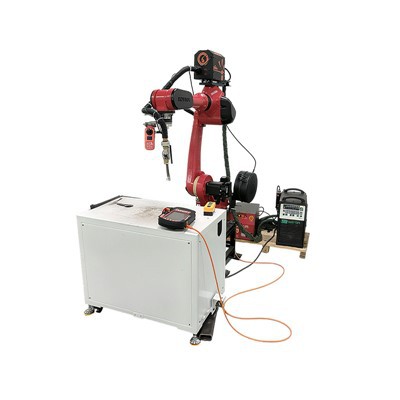
Let’s start with what makes chemical warehouses unique. First off, chemicals can be hazardous. We’re talking about stuff that might be flammable, corrosive, or toxic. These risks mean that any equipment used in the warehouse has to meet really high – safety standards. For example, a single spark in a warehouse full of flammable chemicals can lead to a huge explosion. So, the robot we’re talking about needs to be designed to prevent any kind of electrical or mechanical hazard that could cause such an accident.
Now, the good news is that modern loading and unloading robots can actually be built to handle these challenges. They can be equipped with specialized sensors that are resistant to the corrosive effects of certain chemicals. These sensors can detect any leaks or spills right away, and the robot can stop its operation immediately. Also, the robot’s body can be made from materials that are not easily corroded, like certain types of plastics and coated metals.
Another key factor in chemical warehouses is precision. Chemical containers often need to be handled with extreme care. You can’t just toss them around. Loading and unloading robots are great at this. They’re programmed to pick up and place containers with millimeter – level accuracy. This means that they can stack chemicals neatly, reducing the risk of them falling and breaking. And if you’re moving different types of chemicals, the robot can be set up to follow strict handling protocols for each one.
But it’s not all smooth sailing. There are some challenges too. One of the big ones is the regulatory environment. Chemical warehouses are heavily regulated, and there are a lot of rules about what kind of equipment can be used. Before you can use a loading and unloading robot in a chemical warehouse, you need to make sure it complies with all the relevant regulations. This might involve getting certifications from different authorities. It can be a real pain in the neck, but it’s necessary to ensure the safety of everyone working in the warehouse.
Cost is also a consideration. Building a robot that can handle the harsh conditions of a chemical warehouse is not cheap. You’ve got to invest in high – quality materials, advanced sensors, and reliable programming. And then there’s the cost of maintenance. Since the robot is working in a tough environment, it’s likely to need more frequent check – ups and repairs compared to a robot in a regular warehouse.
However, when you look at the long – term benefits, the cost might be worth it. Using a loading and unloading robot can significantly reduce the risk of human error. In a chemical warehouse, a simple mistake by a human worker can have catastrophic consequences. Robots don’t get tired, they don’t get distracted, and they always follow their programming. This means that the overall safety of the warehouse can be greatly improved.
In addition, robots can work around the clock. Unlike human workers who need breaks and time off, a robot can keep going as long as it has power. This can increase the efficiency of the loading and unloading process in the chemical warehouse. You can get more work done in a shorter period of time, which can lead to cost savings in the long run.
I’ve seen firsthand how robots can transform a chemical warehouse. One of our clients had a warehouse that was struggling with high accident rates and low productivity. After installing our loading and unloading robot, the accident rate dropped significantly, and they were able to increase their throughput by almost 30%. It was a real game – changer for them.
So, can a loading and unloading robot be used in a chemical warehouse? Absolutely. But it’s not something you can just do without careful planning. You need to make sure the robot is designed to handle the specific hazards of the chemicals you’re dealing with, that it meets all the regulatory requirements, and that you’re prepared for the initial investment and ongoing maintenance costs.
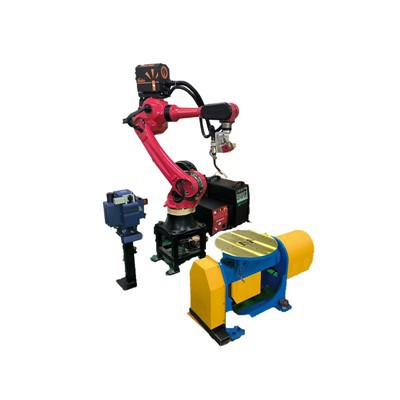
If you’re running a chemical warehouse and you’re thinking about using a loading and unloading robot, I’d love to talk to you. We’ve got a bunch of experience in this area, and we can help you figure out the best solution for your needs. Whether it’s custom – designing a robot or providing maintenance and support, we’re here to make the process as smooth as possible. So, don’t hesitate to reach out and start a conversation about how we can work together to make your chemical warehouse safer and more efficient.
Industrial Robots References
- Occupational Safety and Health Administration (OSHA) guidelines on chemical handling and storage.
- Industry reports on the use of robotics in hazardous environments.
Dongguan Chuanglida Intelligent Equipments Co., Ltd.
As one of the most professional loading and unloading robot manufacturers and suppliers in China, we also support customized service. Please feel free to buy discount loading and unloading robot in stock here from our factory. For price consultation, contact us.
Address: Room 201, Building 2, No. 61, Shachang 1st Road, Dalang Town, Dongguan City, Guangdong Province
E-mail: haoguangli001@outlook.com
WebSite: https://www.boruntestech.com/
