Stainless steel is a versatile and widely used material in various industries, from construction and manufacturing to food processing and healthcare. As a stainless steel supplier, I understand the importance of choosing the right stainless steel for your project. In this blog post, I will share some insights and tips on how to make an informed decision. Stainless Steel
Understanding Stainless Steel Grades
Stainless steel is an alloy of iron, chromium, and other elements. The chromium content in stainless steel is what gives it its corrosion-resistant properties. Different grades of stainless steel have different compositions, which determine their strength, durability, and resistance to corrosion.
The most common grades of stainless steel are 304 and 316. Grade 304 is the most widely used grade of stainless steel. It contains 18% chromium and 8% nickel, which gives it good corrosion resistance and strength. Grade 316 is a more corrosion-resistant grade of stainless steel. It contains 16% chromium, 10% nickel, and 2% molybdenum, which makes it more resistant to corrosion in harsh environments, such as marine and chemical applications.
Other grades of stainless steel include 430, which is a ferritic stainless steel that is less expensive than 304 and 316 but has lower corrosion resistance. Grade 201 is a low-cost alternative to 304, but it has lower corrosion resistance and is not suitable for applications where high corrosion resistance is required.
Consider the Application
The first step in choosing the right stainless steel for your project is to consider the application. Different applications require different properties from the stainless steel. For example, if you are using stainless steel in a food processing application, you need to choose a grade of stainless steel that is food-safe and easy to clean. If you are using stainless steel in a marine application, you need to choose a grade of stainless steel that is highly corrosion-resistant.
Here are some common applications and the recommended grades of stainless steel:
- Food processing: Grade 304 is the most commonly used grade of stainless steel in food processing applications. It is food-safe, easy to clean, and has good corrosion resistance.
- Marine applications: Grade 316 is the recommended grade of stainless steel for marine applications. It is highly corrosion-resistant and can withstand the harsh saltwater environment.
- Construction: Grade 304 is commonly used in construction applications, such as building facades and structural components. It has good strength and corrosion resistance.
- Medical applications: Grade 316L is the recommended grade of stainless steel for medical applications. It is highly corrosion-resistant and biocompatible, which makes it suitable for use in medical devices and implants.
Consider the Environment
The environment in which the stainless steel will be used is another important factor to consider. Different environments have different levels of corrosion, which can affect the performance of the stainless steel. For example, if the stainless steel will be used in a coastal area, it will be exposed to saltwater, which can cause corrosion. If the stainless steel will be used in a chemical plant, it will be exposed to chemicals, which can also cause corrosion.
Here are some environmental factors to consider:
- Temperature: High temperatures can cause the stainless steel to lose its strength and corrosion resistance. If the stainless steel will be used in a high-temperature environment, you need to choose a grade of stainless steel that is heat-resistant.
- Humidity: High humidity can cause the stainless steel to rust. If the stainless steel will be used in a humid environment, you need to choose a grade of stainless steel that is corrosion-resistant.
- Chemical exposure: Exposure to chemicals can cause the stainless steel to corrode. If the stainless steel will be used in a chemical environment, you need to choose a grade of stainless steel that is resistant to the specific chemicals it will be exposed to.
Consider the Fabrication Process
The fabrication process is another important factor to consider when choosing the right stainless steel for your project. Different grades of stainless steel have different properties, which can affect the fabrication process. For example, some grades of stainless steel are more difficult to weld than others.
Here are some fabrication factors to consider:
- Weldability: Some grades of stainless steel are more weldable than others. If the stainless steel will be welded, you need to choose a grade of stainless steel that is easy to weld.
- Formability: Some grades of stainless steel are more formable than others. If the stainless steel will be formed into a specific shape, you need to choose a grade of stainless steel that is easy to form.
- Machinability: Some grades of stainless steel are more machinable than others. If the stainless steel will be machined, you need to choose a grade of stainless steel that is easy to machine.
Consider the Cost
The cost is another important factor to consider when choosing the right stainless steel for your project. Different grades of stainless steel have different costs, which can vary depending on the market conditions and the availability of the material.
Here are some cost factors to consider:
- Grade: The grade of stainless steel is the most important factor that affects the cost. Higher grades of stainless steel are generally more expensive than lower grades.
- Quantity: The quantity of stainless steel you need can also affect the cost. If you need a large quantity of stainless steel, you may be able to get a better price.
- Finish: The finish of the stainless steel can also affect the cost. A polished finish is generally more expensive than a brushed finish.
Conclusion
Choosing the right stainless steel for your project is an important decision that can affect the performance and durability of your project. By considering the application, environment, fabrication process, and cost, you can make an informed decision and choose the right grade of stainless steel for your project.
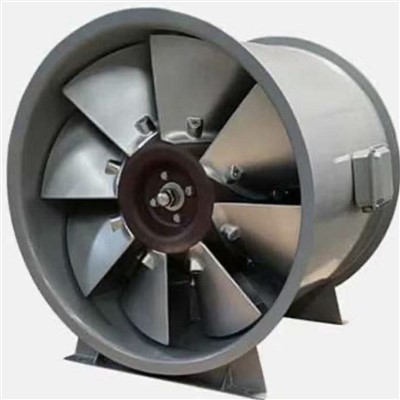
Fan Impeller As a stainless steel supplier, I have the expertise and experience to help you choose the right stainless steel for your project. If you have any questions or need more information, please feel free to contact me. I would be happy to assist you.
References
- ASM Handbook, Volume 13A: Corrosion, ASM International
- Stainless Steel World Americas
- The Nickel Institute
Shandong Shunye Stainless Steel Co., Ltd.
Address: Shandong Province, Binzhou City, Wudi County, Liubao Town, Zhangdong Road, Duliucun Village
E-mail: sales@wdshunye.com
WebSite: https://www.shunyecasting.com/
